June 3, 2026
Selecting the right exterior cladding is a critical decision for any commercial property owner or manager. The material you choose affects not only the building's appearance but also its durability, maintenance requirements, and long-term value. Fiber cement panels have emerged as a leading option for those seeking a balance between performance and visual appeal in commercial siding applications.
As building standards evolve and property owners prioritize longevity and resilience, fiber cement continues to gain traction. According to Green Builder Media, fiber cement siding now accounts for nearly 25% of the U.S. siding market, reflecting its growing reputation for strength and fire resistance. This steady adoption highlights why so many commercial projects are turning to fiber cement as a reliable exterior solution.
Material Durability and Long-Term Performance
Resistance to Harsh Environmental Conditions
Commercial buildings are constantly exposed to the elements, from heavy rain and wind to temperature fluctuations and prolonged sun exposure. Fiber cement panels are engineered to withstand these conditions without warping, cracking, or deteriorating over time. This makes them a dependable option for commercial exterior siding in regions with unpredictable weather patterns.
Unlike traditional materials such as wood, fiber cement does not absorb moisture in the same way, reducing the risk of swelling or rot. Its composition allows it to maintain structural integrity even after years of exposure, which is especially important for multi-family and mixed-use properties where consistent performance is essential.
In addition, fiber cement holds up well in freeze-thaw cycles, which can be particularly damaging to less durable materials. This added resilience helps prevent premature wear and supports a longer service life, even in climates with significant seasonal changes.
Protection Against Pests and Decay
One of the ongoing concerns with certain siding materials is vulnerability to pests like termites or carpenter ants. Fiber cement panels are not an organic food source, making them highly resistant to insect damage. This characteristic eliminates a common cause of deterioration and helps extend the life of the building's exterior.
Additionally, fiber cement does not support mold or mildew growth as easily as other materials. This contributes to a cleaner, more stable facade that requires fewer interventions over time. For property owners investing in commercial siding, this level of resistance can translate into reduced maintenance demands and fewer unexpected repairs.
Because the material resists both biological and environmental threats, it provides a more predictable maintenance schedule. This predictability is valuable for budgeting and long-term property planning.
Fire-Resistant Composition
Safety is a primary consideration in commercial construction, and fiber cement offers a notable advantage in this area. Its non-combustible composition enhances the overall resilience of the building envelope. While no material can eliminate all risks, incorporating fiber cement into commercial exterior siding can support compliance with fire safety standards and contribute to a more secure structure.
This added layer of protection is particularly valuable in densely populated developments or properties with multiple tenants. A siding material that resists ignition provides peace of mind and aligns with broader safety goals.
In some cases, using fire-resistant materials can also simplify certain aspects of building design and code compliance. This makes fiber cement an attractive option for projects with strict regulatory requirements.
Design Versatility and Aesthetic Appeal
Wide Range of Styles and Finishes
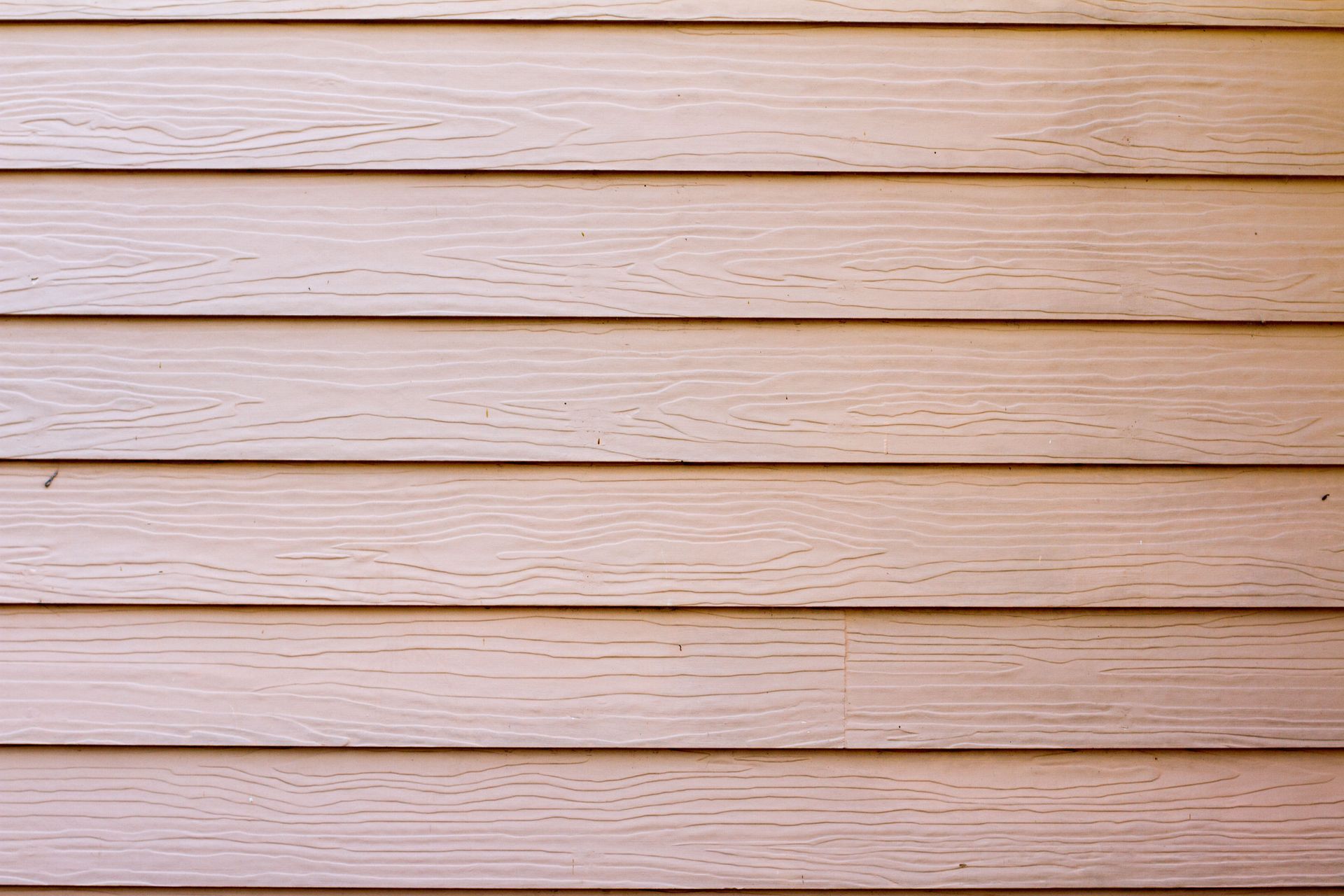
Fiber cement panels offer a high degree of design flexibility, making them suitable for a variety of architectural styles. Whether the goal is a sleek, modern facade or a more traditional appearance, these panels can be manufactured in different textures and colors to match the project's vision.
This versatility allows architects and property owners to create distinctive exteriors without sacrificing performance. When used in commercial siding, fiber cement can elevate the overall look of a building while maintaining a cohesive and professional aesthetic.
It also allows for easier updates or refreshes over time, as finishes can be selected to align with evolving design trends without requiring a full material replacement.
Custom Panel Layouts and Configurations
Beyond surface finishes, fiber cement panels can be installed in various configurations to achieve unique visual effects. Panel size, orientation, and joint placement all play a role in shaping the final appearance. This level of customization makes it easier to tailor commercial exterior siding to the specific needs of a property.
Careful planning during installation ensures that the panels align with the building's architectural features. The result is a polished exterior that reflects attention to detail and enhances curb appeal.
This flexibility is especially useful for branding purposes in commercial environments, where exterior design can influence how tenants and visitors perceive the property.
Compatibility With Complex Structures
Multi-family and mixed-use properties often present unique design challenges due to their scale and complexity. Fiber cement panels are well-suited for these applications because they can adapt to different building shapes and layouts. Their versatility allows them to integrate seamlessly with other exterior components.
For property owners managing large developments, this adaptability simplifies the design process and supports a unified exterior appearance. It also ensures that commercial siding remains consistent across different sections of the property.
Additionally, fiber cement works well alongside other materials such as metal panels or masonry accents, allowing for layered, visually dynamic exteriors.
Cost Efficiency and Maintenance Advantages
Reduced Maintenance Requirements
One of the most practical benefits of fiber cement panels is their relatively low maintenance needs. Unlike materials that require frequent sealing, staining, or replacement, fiber cement maintains its appearance with minimal upkeep. Routine cleaning and occasional inspections are typically sufficient to keep it in good condition.
This is a significant advantage for commercial siding, where maintenance costs can add up quickly across large surface areas. By choosing a durable material, property owners can allocate resources more efficiently and avoid frequent disruptions for repairs.
Lower maintenance demands also mean less downtime for tenants or businesses operating within the property, which can be an important consideration for occupied buildings.
Long-Term Value and Investment Protection
While the initial investment in fiber cement panels may be higher than some alternatives, the long-term value often outweighs the upfront cost. Its durability, resistance to damage, and extended lifespan contribute to a lower total cost of ownership over time.
For commercial properties, where exterior performance directly impacts tenant satisfaction and property value, this reliability is crucial. Investing in high-quality commercial siding can help protect the building's structural integrity and maintain its market appeal.
Over time, this durability can also reduce the likelihood of large-scale replacement projects, further enhancing return on investment.
Integration With Building Envelope Systems
Fiber cement panels work effectively as part of a comprehensive building envelope strategy. When paired with proper weather barriers and drainage systems, such as rain screen assemblies, they enhance moisture management and overall performance.
This integrated approach ensures that commercial siding does more than provide a visual finish. It becomes a functional component of the building's defense against the elements. Proper installation is key to achieving these benefits, as it ensures that all elements work together seamlessly.
When installed by experienced professionals, these systems can significantly extend the lifespan of the exterior while improving overall building performance.
Fiber cement panels offer a compelling combination of durability, versatility, and cost efficiency, making them an excellent choice for modern commercial properties. From resisting harsh weather and pests to providing flexible design options and long-term value, this material addresses many of the challenges associated with exterior cladding.
For property owners and managers evaluating options for commercial siding, fiber cement stands out as a solution that balances performance with aesthetics. With proper installation and routine care, it delivers a reliable exterior that supports both the functionality and visual appeal of the building for years to come. If you're interested in high-quality fiber cement siding for your commercial property, reach out to DG Crays Construction LLC today!