October 4, 2026
In today's modern construction and commercial renovation landscape, metal roofing has emerged as an increasingly popular choice for forward-thinking building owners. Offering extraordinary long-term durability, elevated aesthetic appeal, and exceptional energy efficiency, standing seam systems have become a top contender for modern properties. This comprehensive article delves into the essential technical, financial, and structural information building owners need to evaluate before installing a standing seam metal roof. From understanding panel configurations and seam mechanics to selecting certified installation contractors, making an informed choice ensures your property receives maximum weather protection and long-term value. Investing in high-performance architectural metal panels safeguards your physical structure against environmental stress while elevating overall architectural curb appeal for decades to come.
Understanding Standing Seam Metal Roofs
A standing seam metal roof is characterized by interlocking vertical seams that completely conceal underlying mechanical fasteners, creating a smooth, streamlined appearance across the building envelope. Key components include precision-engineered metal panels manufactured in various widths and material gauges. Raised ridges run vertically along each panel, facilitating rapid water runoff and snow shedding while enhancing structural rigidity. Fasteners remain hidden beneath the panel seams, securing the roof system to the deck without exposing vulnerable screw heads to severe weather. Beneath these metal components sits a high-temperature underlayment, serving as a critical secondary water barrier against moisture intrusion, wind-driven rain, and ice damming.
Various metals can be utilized for standing seam systems, each offering distinct performance characteristics. Aluminum is lightweight, naturally corrosion-resistant, and ideal for coastal environments subject to heavy salt air exposure. Galvanized steel provides exceptional structural strength and impact resistance, making it a reliable choice for commercial properties in severe weather zones. Meanwhile, natural copper offers unmatched longevity and a distinctive natural patina over time, albeit at a higher capital investment. According to This Old House, metal roofing is the second most popular material for both residential and commercial roofs, only surpassed by steep-slope asphalt shingles.
Panel configuration significantly influences both weatherproofing performance and visual aesthetics. Snap-lock systems feature pre-formed panel edges that snap together during installation, offering a clean appearance and efficient labor deployment. Mechanical seam panels involve a more intricate installation process where specialized power seaming equipment folds overlapping panel edges together, delivering superior uplift resistance in high-wind regions. Batten panel configurations employ raised vertical caps over flat seams, delivering a bold, traditional look suitable for historic properties. Specifying high-grade architectural metal panels ensures that whichever locking design is selected, the building receives optimal weather resistance and structural endurance.
Vertical seam design plays a vital role in thermal movement accommodation and total waterproofing. Raised interlocking seams elevate connection points above standing water, effectively channeling heavy precipitation off the roof surface. Additionally, concealed clip systems allow panels to expand and contract naturally during thermal cycles without stressing structural anchor points or loosening fasteners. Concealing primary fasteners beneath the metal surface eliminates direct UV exposure and rubber washer degradation, preventing the most common source of commercial roof leaks. The engineering sophistication of modern metal panel seams guarantees exceptional weather-tight integrity over decades of continuous exposure.
Benefits of Standing Seam Metal Roofs
Durability remains the central advantage of standing seam metal systems, frequently outlasting conventional roofing materials by three to four decades. Engineered to withstand extreme weather, metal panels resist severe hail impacts, heavy snow loads, and hurricane-force wind uplift. Additionally, metal roofing systems carry Class A fire ratings, meaning they will not ignite or feed external flames—a crucial safety consideration for commercial facilities. The exceptional impact resistance of modern metal reduces long-term repair expenditures, making it a highly reliable structural choice. Over time, the extended service life of metal panels fully justifies the higher initial capital expenditure.
A primary operational feature of metal roofing is its contribution to building energy efficiency through superior thermal management. Factory-applied reflective coatings bounce solar radiation away from the structure, preventing heat absorption and keeping interior temperatures cooler during hot summer months. This thermal reflectivity reduces mechanical air conditioning demands, cutting monthly utility expenses substantially. Furthermore, standing seam ribs provide a non-penetrating mounting platform for solar panel arrays and snow retention systems. Integrating energy-efficient architectural metal panels aligns commercial properties with modern environmental sustainability standards while reducing ongoing facility operating costs.
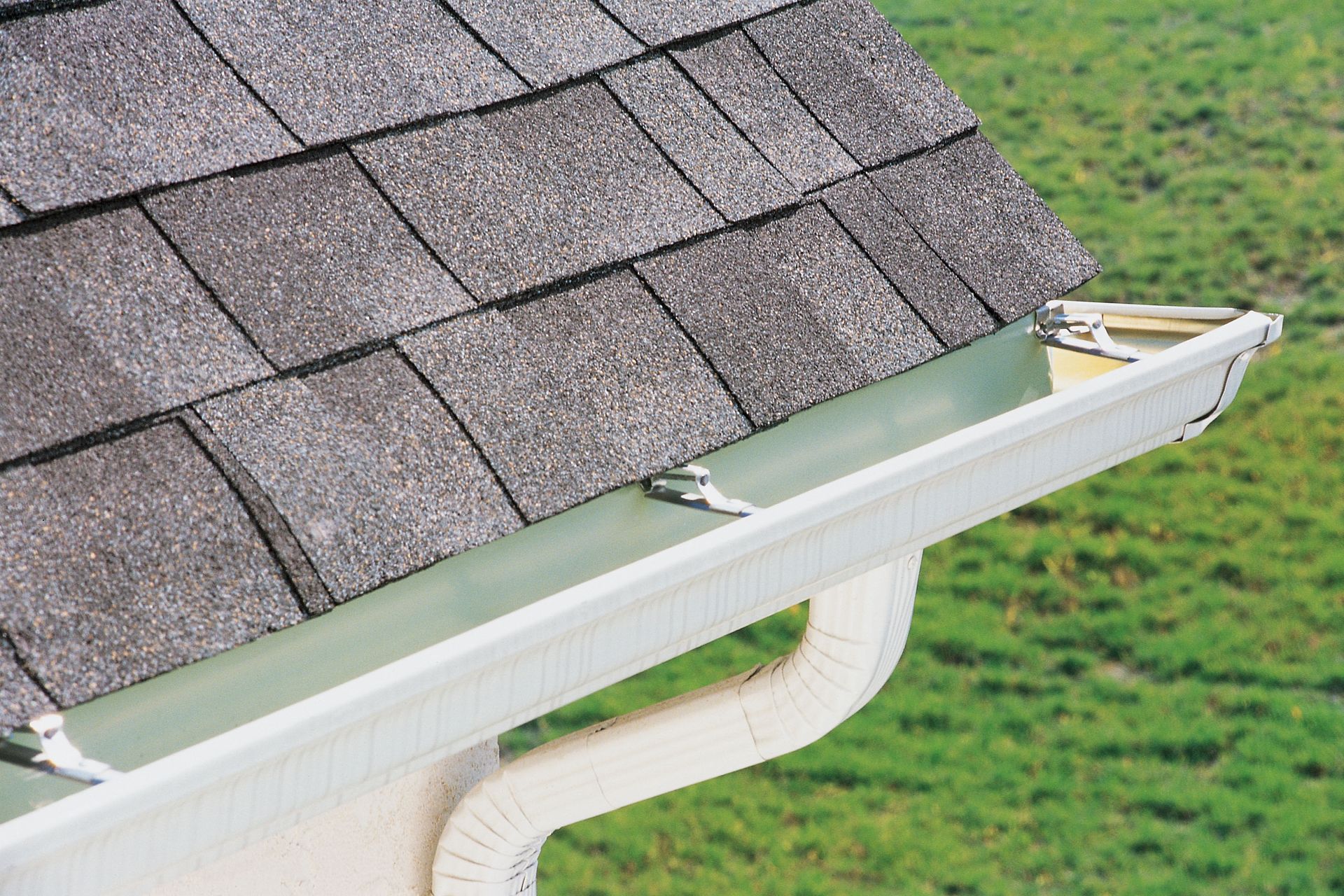
Compared to traditional built-up or asphalt roofs, standing seam metal systems require minimal routine maintenance over their extended lifespan. Concealed fasteners and durable factory coatings drastically reduce the risk of structural leaks and surface degradation. Routine care typically involves periodic visual inspections and clearing debris from gutters and drainage valleys. Advances in Kynar 500 coating technology provide exceptional resistance against chalking, fading, and atmospheric corrosion, simplifying facility upkeep. This low-maintenance requirement enables property managers to allocate operational budgets toward other critical facility improvements.
From an environmental perspective, metal roofing represents a highly sustainable building choice. The metal panels utilized in standing seam systems are 100% recyclable at the end of their service life, diverting tons of construction waste away from municipal landfills. Furthermore, many manufacturers produce new panel systems utilizing substantial amounts of post-consumer recycled metal. Combining recyclable materials with energy-saving solar reflectance creates a closed-loop sustainable roofing option. Installing high-performance architectural metal panels demonstrates a commitment to sustainable building practices while significantly reducing a facility's long-term environmental footprint.
Potential Drawbacks and Considerations
While standing seam systems offer exceptional long-term value, their initial material and installation costs represent a higher upfront investment compared to conventional asphalt or single-ply membrane roofs. High-grade metal panels and specialized concealed clip hardware require greater upfront capital. However, building owners must evaluate this initial expense against total lifecycle costs. Because metal systems last two to three times longer than traditional roofs while requiring minimal maintenance, the total cost of ownership is frequently lower over a thirty-year operating horizon.
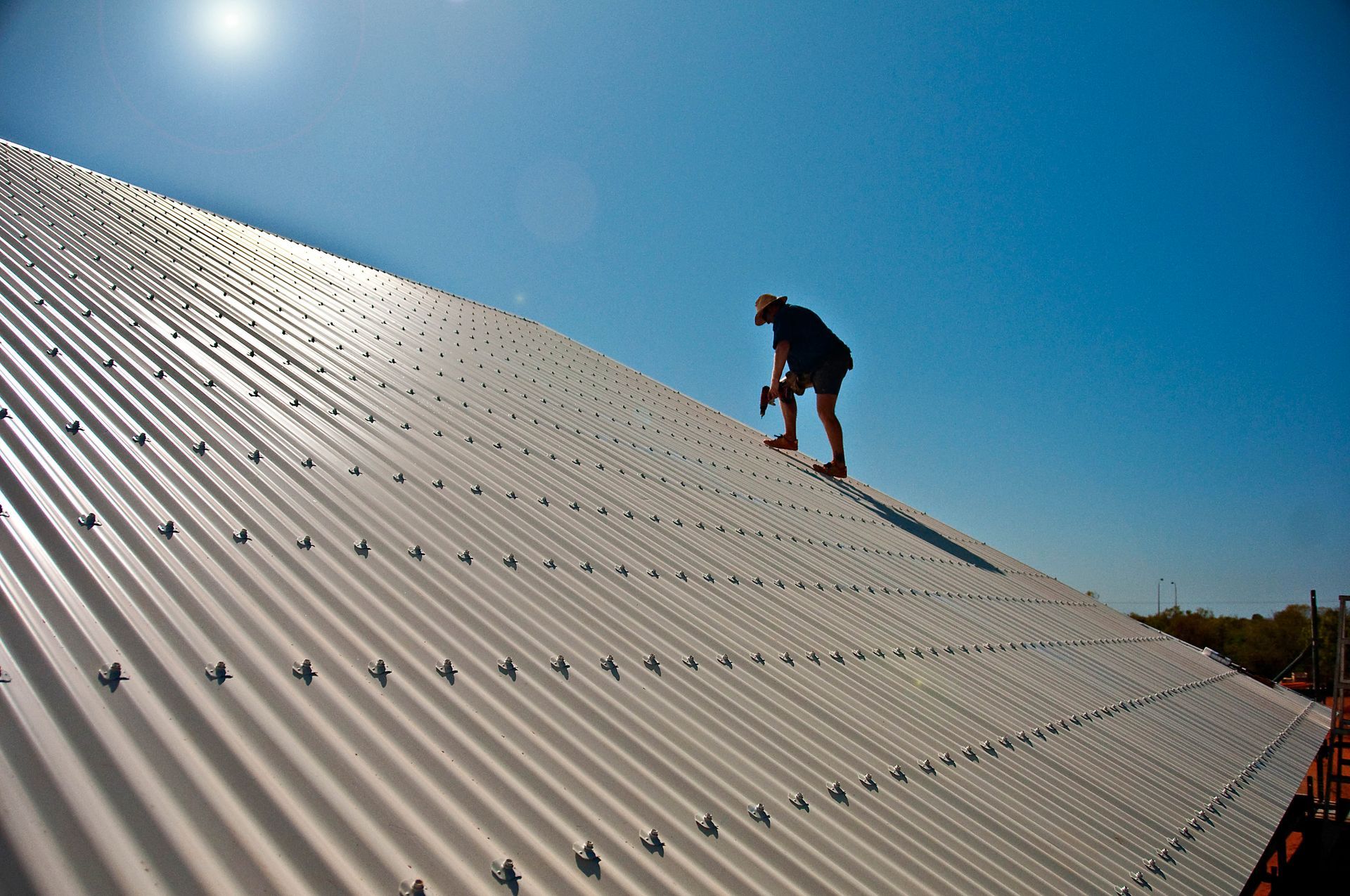
The technical complexity involved in installing standing seam metal roofs demands highly trained, specialized installation crews. Unlike basic shingle applications, metal panel systems require precise layout planning, expert flashing fabrication around roof penetrations, and proper mechanical seaming techniques. Improper panel alignment or incorrect clip spacing can compromise thermal movement and lead to structural buckling. Consequently, building owners must hire certified installation contractors who specialize exclusively in metal metalwork. While specialized labor increases initial installation costs, expert craftsmanship guarantees peak system performance and preserves long-term warranty coverage.
Rainfall and hail impacts can generate noticeable sound on metal roofs if the building envelope lacks proper acoustic insulation. Without adequate underlayment or attic insulation, thermal expansion creaks and weather noise can transfer into interior living or working spaces. However, modern commercial construction techniques easily resolve sound attenuation concerns. Installing solid roof decking paired with high-density acoustic insulation boards dampens impact noise completely. Addressing acoustic design during the initial planning phase ensures that interior spaces remain quiet and comfortable during severe rainstorms.
Thermal expansion and contraction present ongoing engineering challenges that must be addressed during roof design. Metal panels naturally expand during hot summer days and contract during cold winter nights. If panel clip systems are installed too tightly or fasteners penetrate the panels incorrectly, thermal movement can cause panel bowing, oil-canning, or fastener fatigue. Working with experienced contractors ensures that floating clip systems and expansion thermal joints are engineered correctly, allowing architectural metal panels to glide smoothly during temperature fluctuations without compromising watertight integrity.
A standing seam metal roof represents a highly durable, energy-efficient, and visually striking investment for any commercial or residential building owner. By understanding panel configurations, evaluating structural requirements, and prioritizing expert installation, property owners can maximize the return on their capital investment while enjoying decades of maintenance-free weather protection. Specifying top-tier architectural metal panels guarantees superior wind uplift resistance, exceptional solar reflectivity, and unmatched architectural elegance. Protecting your physical assets starts with partnering with proven, licensed construction specialists who understand the precise mechanics of commercial metal roofing. To evaluate your property's roofing needs, request a detailed structural estimate, or begin your next installation project on solid ground, contact DG Crays Construction LLC today to partner with experienced metal roofing professionals.