September 4, 2026
Indiana property owners know that the state's weather rarely stays predictable for long. Within a single season, buildings can face driving thunderstorms, hail, high winds, heavy snow loads, and blistering summer heat. This kind of climate volatility puts enormous stress on a roofing system, and it makes the decision of what to install far more consequential than simply picking a style that looks good. The right roof does more than shed water; it protects the structural integrity of a building, supports energy efficiency, and complements the overall exterior design, including any custom building facade elements that give a property its identity. In this post, we'll walk through the primary roofing options suited to Indiana's climate, explain how each performs under different weather conditions, and highlight why professional installation is essential to long-term success.
Understanding Indiana's Unique Climate Challenges
Before selecting a roofing material, it helps to understand exactly what that roof will be up against. Indiana sits in a transitional climate zone, which means buildings experience humid, storm-prone summers and cold, snow-heavy winters within the same calendar year. Hailstorms are common in the spring and early summer, and straight-line winds associated with severe thunderstorms can peel back poorly secured roofing materials in minutes. Winter brings its own set of problems, including ice damming, freeze-thaw cycles that stress seams and fasteners, and the added weight of accumulated snow. A roofing system that isn't engineered for this range of conditions will show wear far sooner than one designed specifically with Indiana's extremes in mind. This is also why many property owners pair a new roof with upgrades to their custom building facade, since a coordinated approach helps the entire exterior envelope perform as a unified system rather than a patchwork of mismatched components.
Evaluating Shingle Roofs for Everyday Durability
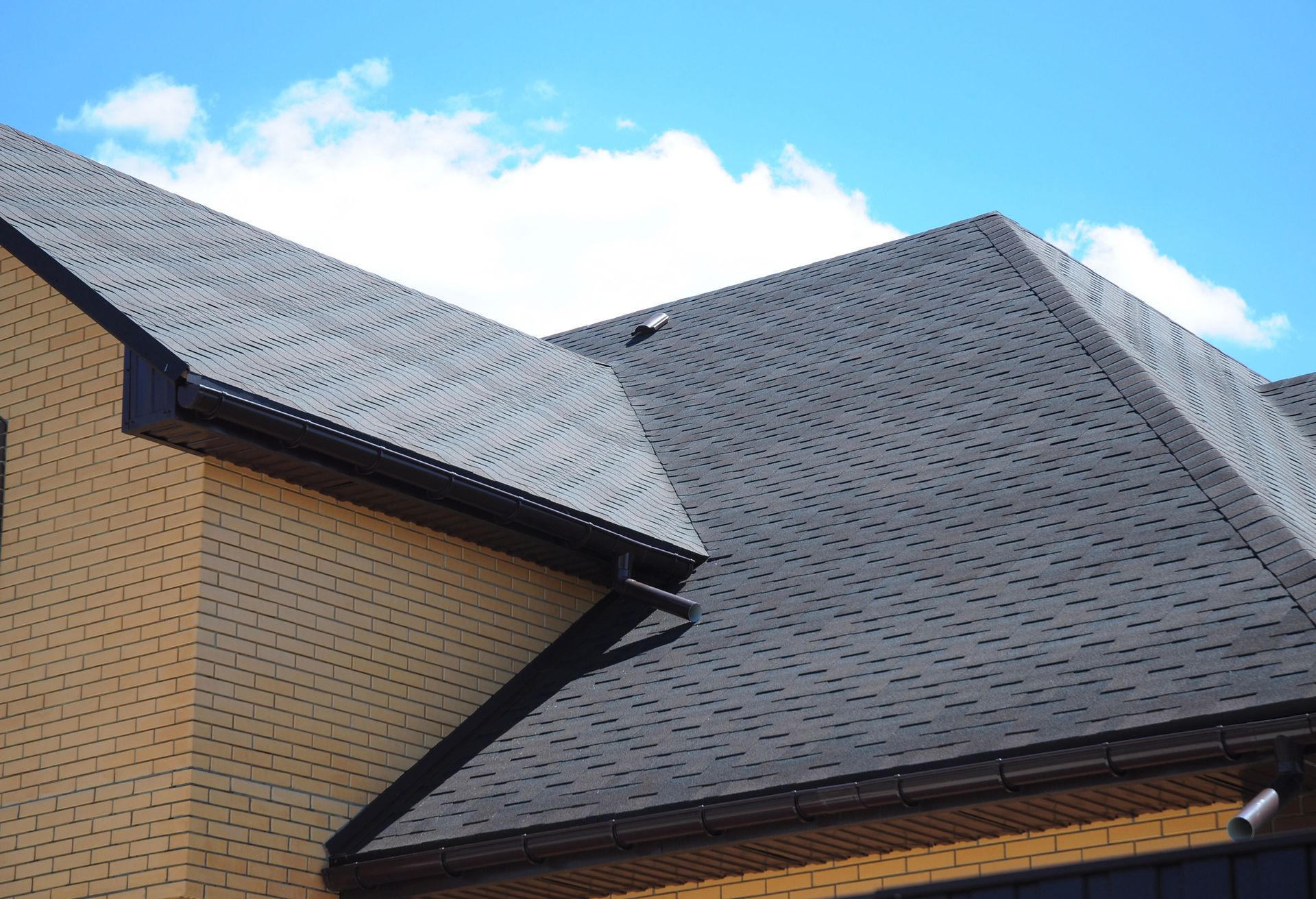
Shingle roofing remains one of the most popular choices for both residential and light commercial properties, and for good reason. Asphalt shingles are cost-effective, relatively quick to install, and available in a wide range of styles that can be matched to nearly any building aesthetic. High-performance architectural shingles, in particular, offer improved wind resistance and impact durability compared to standard three-tab options, making them a reasonable choice for Indiana's storm-prone seasons. That said, shingles do have limitations. They are more vulnerable to hail damage than metal or copper systems, and their lifespan can be shortened by repeated freeze-thaw cycling if they aren't installed with proper attention to underlayment and ventilation. For buildings where a shingle roof is paired with a more modern custom building facade, choosing a shingle color and profile that complements the facade materials can meaningfully improve curb appeal without sacrificing performance.
Considering Standing Seam Metal Roofs for Long-Term Resilience
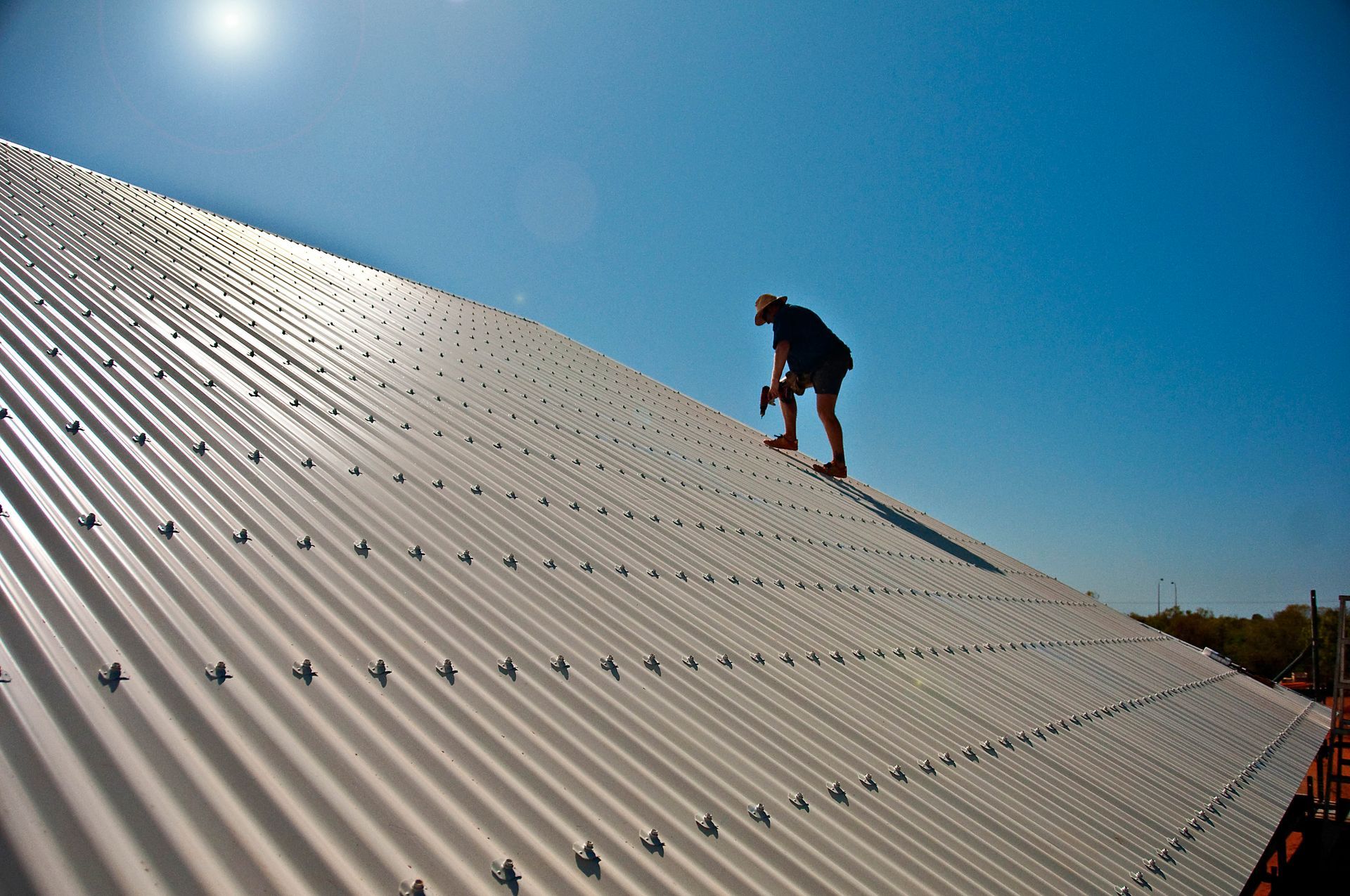
Standing seam metal roofing has become an increasingly popular option for Indiana properties that need to withstand heavy snow, high winds, and prolonged sun exposure. The interlocking panel design creates a continuous, low-maintenance surface with no exposed fasteners, which reduces the risk of leaks and wind uplift during severe storms. Metal roofs also shed snow more efficiently than shingles, reducing the load-bearing stress on the structure during Indiana's heavier winters. Additionally, their reflective properties can improve energy efficiency by reducing heat absorption in the summer months. For commercial buildings or homes with a contemporary custom building facade, standing seam metal panels often provide a visually striking complement, since the clean lines of the roofing echo the sleek geometry found in many modern facade systems. The upfront cost is higher than asphalt shingles, but the extended lifespan and reduced maintenance frequently offset that difference over time.
Weighing Copper Roofs for Elegance and Endurance
For property owners who want a roofing system that combines exceptional durability with a distinctive appearance, copper roofing is worth serious consideration. Copper is naturally resistant to corrosion, doesn't crack under freeze-thaw stress the way some materials can, and develops a distinctive patina over time that many owners find aesthetically appealing. Its weather resistance makes it particularly well suited to Indiana's mix of humidity, precipitation, and temperature swings. Copper roofs are typically reserved for higher-end residential properties, historic renovations, or commercial buildings where the roofline itself is meant to be a design statement. When installed alongside a well-considered custom building facade, a copper roof can elevate a property's overall presence considerably, lending a sense of permanence and craftsmanship that's hard to replicate with other materials. The tradeoff is cost, since copper is significantly more expensive than shingles or standard metal panels, but the longevity often justifies the investment for the right project.
Protecting Investments With Commercial Roofing Systems
Commercial buildings face a different set of demands than residential structures, particularly when it comes to roof size, drainage requirements, and the need to minimize business disruption during installation or repair. A commercial roofing system needs to be engineered for large, often flat or low-slope surfaces, which means drainage design becomes just as important as the roofing material itself. Poor drainage on a commercial roof can lead to standing water, which accelerates deterioration and increases the risk of leaks during Indiana's heavy rain events. Business owners should also think about how their roofing choice interacts with other exterior elements, including a custom building facade, storefront glazing, and any architectural metal panel accents. A well-coordinated exterior design not only looks more polished but also performs better as a unified weather envelope, reducing the likelihood of water intrusion at transition points between roofing and facade materials.
Supporting Roof Performance With Commercial Gutter Systems
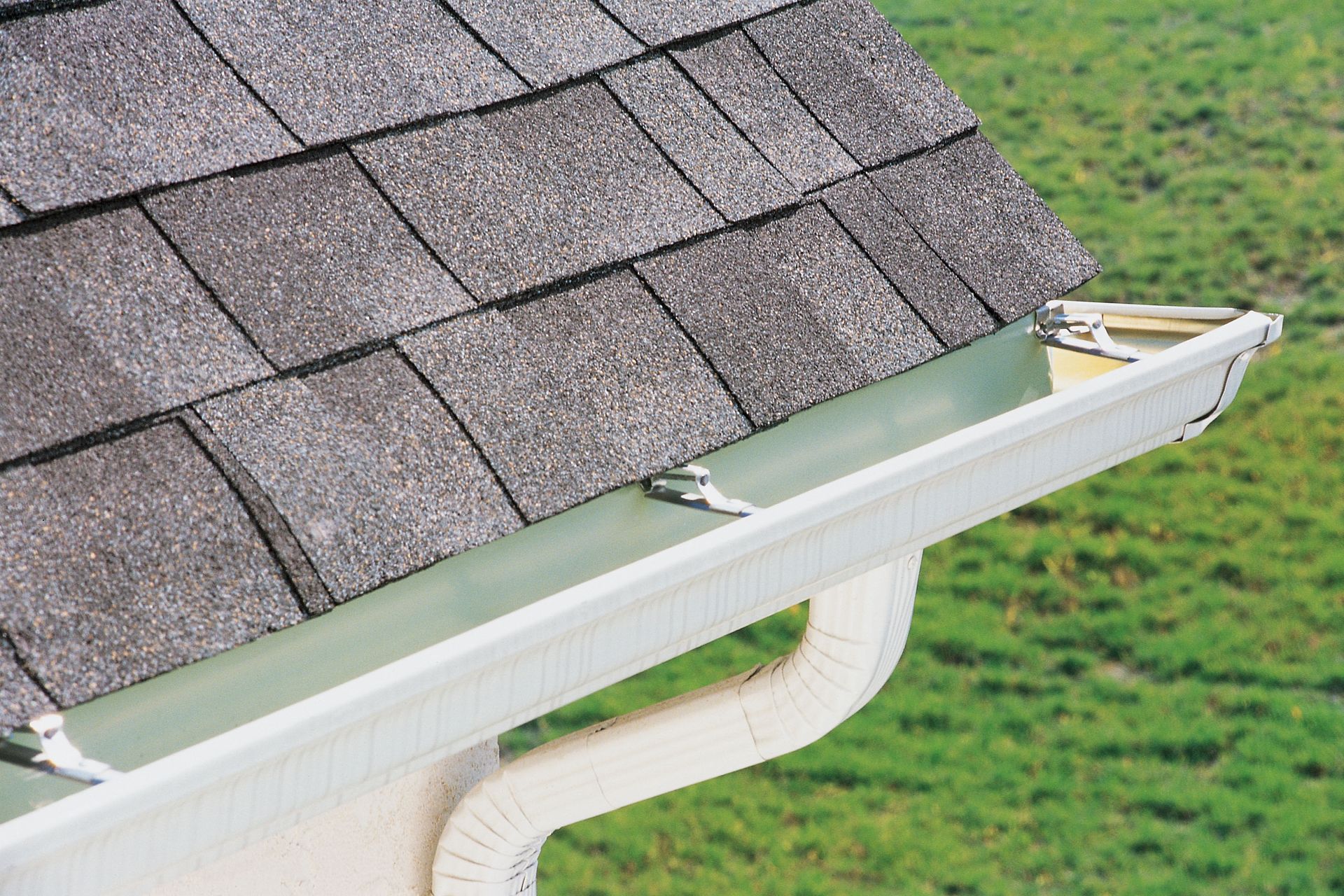
No roofing system, regardless of material, will perform at its best without an effective gutter system to manage water runoff. In Indiana, where heavy spring and summer storms can dump significant rainfall in short periods, undersized or poorly installed gutters quickly become a liability. Water that isn't properly channeled away from a building can pool at the foundation, erode landscaping, and even seep behind siding or a custom building facade, causing hidden damage that's expensive to repair. High-capacity commercial gutter systems are designed specifically to handle these heavier rainfall volumes, directing water efficiently away from the structure and reducing strain on the roofing system itself. Pairing the right gutters with the right roof creates a more complete water-management strategy, which is especially important for buildings with elaborate rooflines or a custom building facade that includes multiple planes and transitions where water could otherwise collect.
Recognizing Why Professional Installation Matters Most
Even the best roofing material will underperform if it isn't installed correctly. Proper flashing, ventilation, fastening patterns, and attention to local building codes all play a role in how well a roof withstands Indiana's weather extremes, and these details are easy to get wrong without specialized training. This is precisely why working with experienced professionals matters so much, whether the project involves a straightforward shingle replacement or a more complex commercial roofing system integrated with a custom building facade. Licensed and insured contractors bring not only technical skill but also accountability, giving property owners confidence that their investment is protected. The construction industry itself continues to expand to meet this kind of demand: according to a 1.7% increase reported by ConstructConnect, construction jobs grew over the course of 2025, reflecting steady momentum in building and renovation work across the country, including roofing and exterior projects. That growth underscores just how much value property owners place on hiring qualified teams rather than attempting complex roofing work without proper expertise.
Selecting the right roofing system for an Indiana property means accounting for hail, wind, snow load, humidity, and temperature swings all at once, and no single material is automatically the correct choice for every building. Shingles offer affordability and versatility, standing seam metal delivers long-term resilience and energy efficiency, copper provides unmatched elegance and endurance, and commercial roofing systems require careful attention to drainage and integration with the rest of the building's exterior, including any custom building facade. Whatever direction a property owner leans toward, the common thread is that professional expertise makes the difference between a roof that merely survives Indiana's weather and one that truly thrives under it.
At DG Crays Construction LLC, we've spent years helping property owners throughout Indiana and the surrounding region choose and install roofing systems built for real-world conditions, and we'd welcome the opportunity to help protect your property too. Give us a call or request a free quote today, and let's find the roofing solution that's right for your building.