November 4, 2026
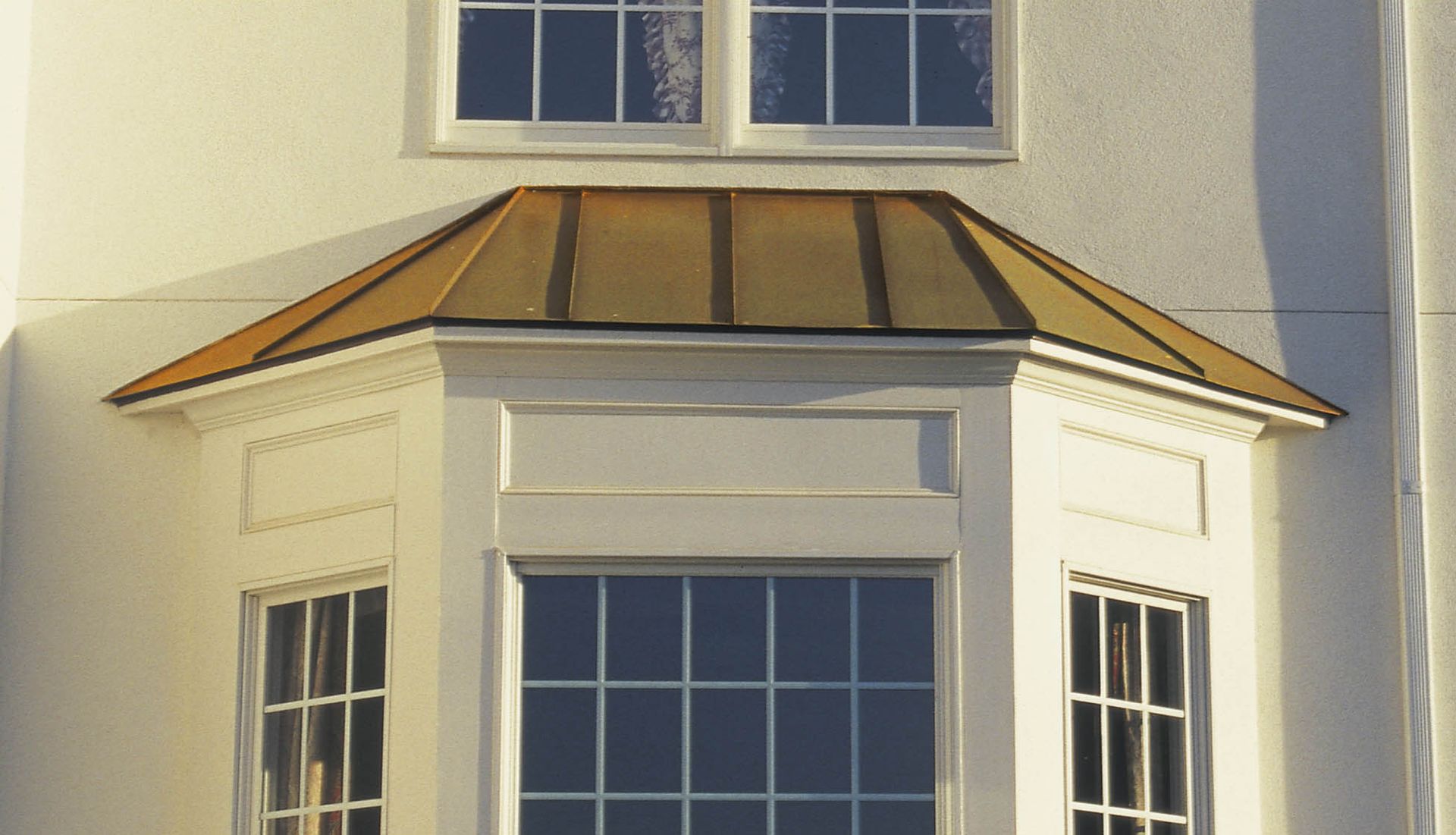
Copper roofing is an increasingly sought-after architectural material in residential and commercial building projects, offering a unique blend of timeless elegance, unyielding durability, and historical charm. As property owners weigh options for exterior upgrades, the timeless appeal of copper consistently stands out among modern synthetic alternatives. Whether dealing with a historic renovation or outfitting a modern facility with premium materials, understanding the fundamental principles of copper roofing is essential. It is not just about the striking visual transition from a shiny metallic hue to a rich green patina; it is also about securing long-term performance, maximizing weather resistance, and ensuring structural protection for the lifetime of the building. In many construction scenarios, copper pairs exceptionally well with commercial siding, creating an exterior envelope that is robust and visually captivating.
1. The Unmatched Longevity and Durability Factor
When investing capital into a premium exterior, extreme longevity is often the primary concern for facility managers and homeowners alike. Copper roofing is globally renowned for its incredibly long lifespan, frequently outlasting the buildings it protects. While standard asphalt shingles might realistically need a full replacement every fifteen to twenty years, a well-maintained copper installation can easily last well over a century. This exceptional durability stems directly from the material's natural resistance to the harshest elements, including severe winds, heavy torrential rainfall, and rapid temperature fluctuations that typically degrade inferior building materials. Unlike other industrial metals, copper does not rust. Instead, it undergoes a natural oxidation process that forms a protective layer, shielding the underlying metal from further environmental corrosion. When visionary architects successfully integrate this roofing with high-quality commercial siding, they create an impenetrable barrier against severe weather damage.
2. Understanding the Patina Process Over Time
One of the most fascinating aspects of copper roofing is its dynamic, continuous aesthetic evolution. When first installed, copper gleams with a bright, highly reflective bronze finish that immediately catches the eye. Over time, constant daily exposure to ambient oxygen, atmospheric moisture, and environmental pollutants naturally triggers a chemical reaction known as patination. This unavoidable natural process gradually transforms the once-shiny surface into a complex, beautiful series of deeper brown and dark gray tones, eventually culminating in a distinctive verdigris or vibrant green patina. This living finish is highly prized in modern and historic architectural design, as it gives massive buildings a profound sense of established history, elegance, and deep character. Property managers often intentionally design the rest of the building's exterior, including the commercial siding, to perfectly complement this evolving color palette. It is critical to note that the patina is not just decorative; it is a hardened, powerful protective shield that permanently stops further oxidation in its tracks.
3. The Lightweight Nature of Copper Materials
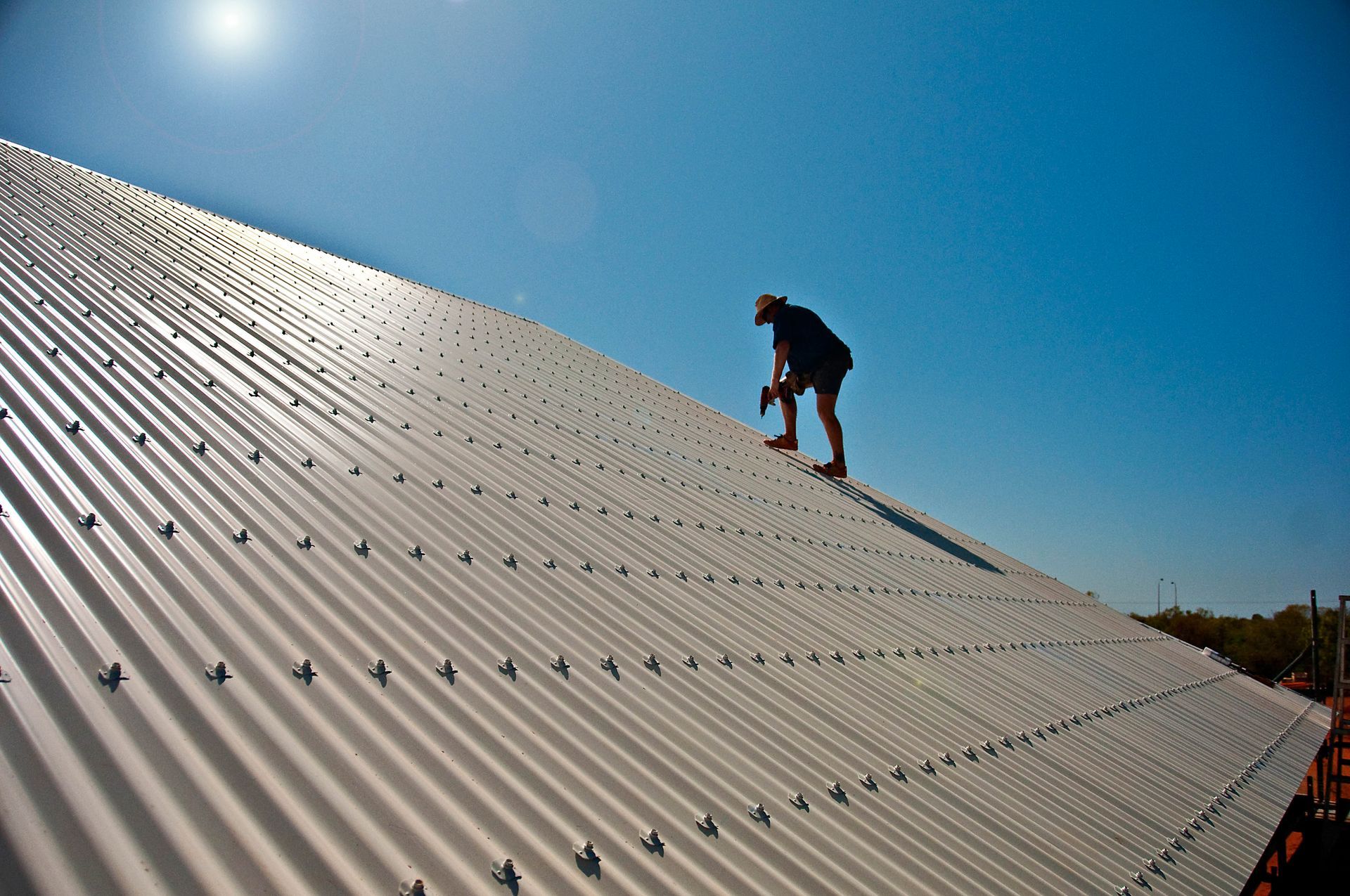
Despite its heavy-duty performance capabilities and formidable weather resistance, copper roofing is surprisingly lightweight when compared directly to traditional structural alternatives like natural slate, baked clay tiles, or thick poured concrete. This lightweight characteristic provides a massive structural advantage during the complex engineering and initial construction phases of any major building project. Because the metallic material exerts far less downward physical pressure on the underlying roof deck and structural wooden supports, builders can often reduce heavy framing requirements, saving significantly on structural timber, steel, and expensive engineering costs. Furthermore, this lower overall weight profile places considerably less stress on the entire building envelope, which positively impacts the long-term performance of the commercial siding and foundational concrete elements over many decades of natural building settling. When combining a low-weight roof with highly efficient commercial siding, structural fatigue is essentially minimized across the board. Additionally, the lighter weight makes the installation process significantly smoother and much less labor-intensive for skilled roofing contractors.
4. Energy Efficiency and Environmental Sustainability
Modern commercial and residential construction places a heavy, necessary emphasis on long-term sustainability, and copper roofing excels dramatically in this increasingly important category. Copper is a highly sustainable building material because it is one hundred percent recyclable at the very end of its useful lifespan. In fact, a vast majority of the architectural copper utilized in construction today is sourced directly from recycled materials, sharply reducing the severe environmental impact of mining, refining, and processing new raw metals. From an energy standpoint, copper naturally reflects hot radiant heat rather than absorbing it, which can significantly lower indoor cooling costs during the sweltering summer months. When paired perfectly with well-insulated, professionally installed commercial siding, a copper exterior creates a highly efficient thermal envelope that drastically reduces the overall daily energy consumption of the building. Furthermore, the material emits absolutely no toxic chemical off-gassing and is completely safe for advanced residential rainwater harvesting systems, making it an ideal choice for progressive property owners.
5. Maintenance Requirements and Upkeep Considerations
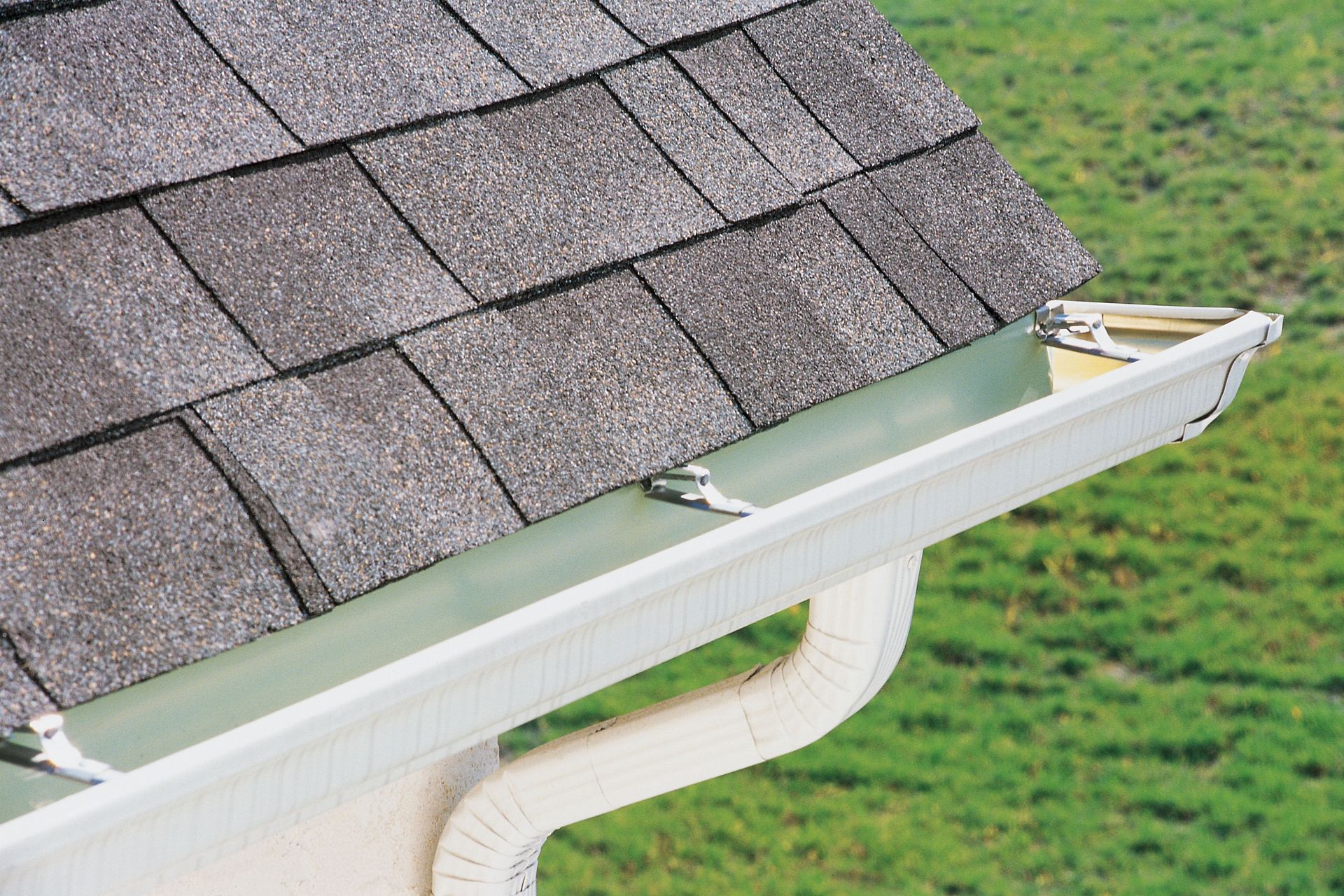
A major selling point of copper roofing for commercial and residential applications is its incredibly low and manageable maintenance profile. Once properly installed by seasoned industry experts, it requires virtually no active, ongoing upkeep compared to traditional materials that demand frequent power cleaning, chemical sealing, or individual shingle replacement after storms. Because the naturally occurring exterior patina acts as an impenetrable, self-healing shield against ongoing chemical corrosion, property owners do not need to apply expensive protective liquid coatings or synthetic rust inhibitors. Additionally, copper is naturally resistant to unwanted fungal growth, meaning you will not have to battle the ugly black streaks of algae or thick green moss that commonly plague standard asphalt roofs in humid climates. However, regular visual inspections remain a prudent and highly recommended practice. Property owners should ensure that all gutters and downspouts are entirely clear of seasonal debris so rainwater flows freely. It is also crucially important to verify that any dissimilar exterior metals are physically isolated.
6. The Economic Value and Return on Investment
While the upfront installation cost of copper roofing is higher than conventional building materials, its long-term financial benefits make it a wise overall economic investment. The century-long operational lifespan means the massive initial expense is efficiently amortized over decades, often yielding a substantially lower lifetime cost than roofs demanding multiple expensive tear-offs and replacements. Additionally, copper adds immense, undeniable curb appeal and significantly higher resale value to a property, drawing the eye and signaling uncompromising material quality to potential future buyers. The broader building sector also reflects strong financial momentum moving forward. According to IBIS World, commercial construction industry revenue has been increasing at a CAGR of 0.1% over the past five years to total an estimated $298.6 billion in 2025. This steady economic growth indicates that investing in premium, highly durable materials perfectly aligns with positive global market trends. By carefully choosing top-tier exterior solutions, property owners securely position their valuable architectural assets favorably.
Upgrading your residential or commercial property with copper roofing is an architectural decision that pays continuous dividends in both aesthetics and unmatched long-term durability. From its striking visual transformation during the patination process to its unparalleled lifespan and minimal maintenance needs, copper boldly stands alone as a premier building material. It offers lightweight structural advantages, impressive energy efficiency, and a truly sustainable footprint that modern builders deeply appreciate. When carefully integrated into a comprehensive exterior design alongside premium commercial siding, it fiercely protects the building against harsh environmental factors and significantly enhances its market value. Navigating a premium renovation requires skilled professionals who completely understand the specific nuances of architectural metals and modern building systems. If you are ready to elevate your property with top-tier roofing solutions and expert craftsmanship, reach out to DG Crays Construction LLC.