September 3, 2026
The roofing solution for premium commercial facilities is a crucial decision that impacts not only the building's longevity but also its operational efficiency and environmental footprint. Modern commercial establishments demand roofs that do more than just provide cover—roofs must offer lasting durability, cost-effectiveness, and minimal environmental impact. This article delves into the multiple factors influencing such a decision, offering a tailored perspective for choosing the best possible roofing system for high-end commercial properties.
Understanding Lifetime Roofing Systems
Definition and Characteristics
Lifetime roofing systems refer to roofs designed to last for the entire life of a building with minimal need for repairs and replacements. These systems must be robust enough to withstand natural wear and tear while maintaining aesthetic and functional integrity over decades. They employ high-grade materials combined with advanced installation techniques to ensure maximum resilience and longevity. The ability to endure various theoretical scenarios, including extreme weather conditions, distinguishes these roofs from traditional alternatives. Modern lifetime roofing systems also integrate technology such as solar panels for more energy-efficient structures.
Popular Materials Used
Materials like metal, clay, slate, and high-grade synthetics are often used in lifetime roofing systems due to their proven durability. Metal roofing, including aluminum and steel, is ubiquitous thanks to its fire resistance and energy efficiency. Clay tiles are cherished for their classic aesthetic and excellent thermal insulation. Slate roofing is an exceptional option for luxury facilities, offering unmatched elegance and performance. Additionally, emerging synthetic options provide innovative solutions, combining strength and sustainability in one package.
Advantages Over Traditional Roofs
Lifetime roofing systems offer numerous advantages over traditional roofing options. Their durability reduces maintenance costs significantly and extends the period before replacement is necessary, thereby delivering superior lifecycle value. These roofs often incorporate advanced designs and higher quality materials that increase energy efficiency, mitigating the impact on urban heat islands and reducing cooling costs. For premium commercial facilities, opting for a durable and energy-efficient roof aligns with both economic goals and sustainability standards. According to the Department of Energy, around 30% of energy consumed in commercial buildings goes entirely to waste, highlighting the opportunity for significant savings through efficient roofing.
Installation and Maintenance Requirements
The installation process for lifetime roofing systems is typically more complex and time-consuming than for traditional roofs. It demands specialized skills and expertise to ensure that the roof is installed correctly and performs as intended. Maintenance, although significantly reduced, remains an important aspect; regular inspections and minor repairs can help preserve the roof's condition and extend its effective lifespan. While the initial investment may be higher, the reduced maintenance over time offsets the upfront costs significantly. Strategic planning and employing skilled contractors are essential to achieve optimal results.
Key Considerations for Commercial Facilities
When selecting a roofing system for commercial facilities, several key considerations need to be addressed. The choice of roof must align with the building's design standards, regulatory compliance, and operational requirements. Factors such as building usage, climate conditions, and architectural style all influence the decision-making process. Additionally, sustainability and energy efficiency have become increasingly important, particularly in urban environments where buildings can contribute significantly to issues like heat islands. The need for a comprehensive approach that considers all these factors cannot be overstated.
Evaluating Material Options
Metal Roofing: Longevity and Sustainability
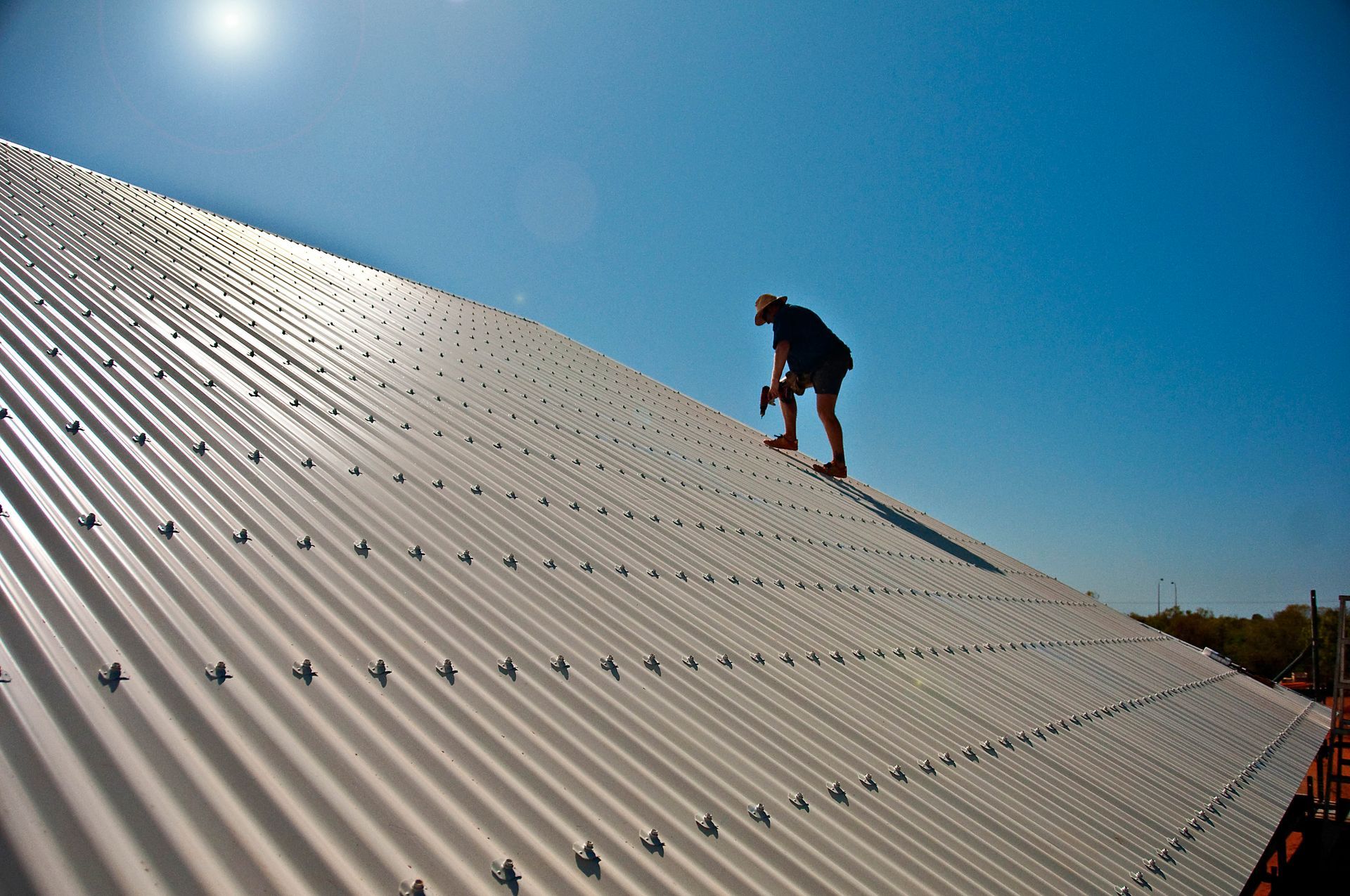
Metal roofing is revered for its longevity, lasting upwards of 50 years with minimal maintenance. Aluminum and steel are among the most common metal roofing materials due to their resilience to harsh weather conditions and fire resistance. Furthermore, metal roofs are extremely energy-efficient, reflecting solar radiant heat and reducing cooling costs by up to 25%. In terms of sustainability, metal roofing is often made from recycled materials and is fully recyclable at the end of its lifespan. This blend of durability, efficiency, and recyclability makes metal roofing an attractive option for eco-conscious commercial facilities.
Clay and Concrete Tiles: Classic and Durable
Clay and concrete tiles offer a classic aesthetic look along with remarkable durability. These tiles can withstand extreme weather conditions, making them ideal for varied climates. They are fire-resistant and provide excellent thermal insulation, which can lead to lower energy costs in maintaining interior climate control. While their weight can impose structural demands on buildings, the aesthetic and functional benefits often outweigh these challenges. Commercial properties looking for traditional charm coupled with modern performance may find clay or concrete tiles to be an ideal roofing solution.
Slate Roofing: Luxury and High Performance
Slate is the epitome of luxury roofing, offering unparalleled visual appeal and superior durability. Known to last over a century, slate tiles provide exceptional resistance to severe weather, fire, and mold. Their natural beauty adds significant value and prestige to a property, making them a preferred choice for high-end commercial establishments. The main drawback is the cost, both for materials and installation, as well as the need for a reinforced structure to support their weight. Nonetheless, for properties where luxury and longevity are paramount, slate roofing remains an unmatched option.
Green Roofs: Environmental Benefits and Challenges
Green roofs integrate vegetation atop structures, providing significant environmental benefits such as improved air quality and increased urban biodiversity. They serve as natural insulators, which helps in reducing energy costs and mitigating stormwater runoff. However, green roofs pose several challenges, including higher initial costs, structural demands, and maintenance complexities such as watering, weeding, and replacing plants. Despite these challenges, the ecological advantages and the potential for LEED certification make green roofs a compelling option for environmentally-conscious commercial properties.
Synthetic Roofing Options: Innovation in Durability
Synthetic roofing options, which include polymers and other engineered materials, represent a cutting-edge approach to durable roofing. These solutions replicate the aesthetics of traditional materials like slate and wood but offer greater durability and less maintenance. They are often more cost-effective and lighter, reducing the structural demands on the building. The innovation in materials allows for improved resistance to weather and UV radiation, extending the lifespan of the roof. Synthetic materials blend the best aspects of traditional and modern materials, providing versatile solutions for commercial facilities.
Cost Analysis and Budget Considerations
Initial Investment Versus Lifecycle Cost
Understanding the cost dynamics between initial investment and overall lifecycle costs is crucial for informed decision-making. While lifetime roofing systems typically require a higher initial outlay, their longevity and reduced maintenance expenses lead to better value over time. Property managers must weigh these upfront costs against potential savings in repairs, replacements, and energy efficiency. Considering these factors ensures that the financial implications align with long-term business goals. An accurate lifecycle cost analysis highlights the financial benefits of investing in durable and efficient roofing systems.
Warranty and Insurance
Warranties and insurance play pivotal roles in the financial planning of roofing projects. Comprehensive warranties that cover both materials and workmanship provide peace of mind and serve as a hedge against unexpected financial burdens. Likewise, understanding how different roofing materials affect insurance premiums is vital. Some materials may reduce premiums due to their resistance to damage, while others might increase them due to greater fire or water protection needs. Balancing warranty offerings with insurance considerations can further optimize budget allocation for roofing projects.
In conclusion, choosing a lifetime roofing system for premium commercial facilities requires strategic consideration of multiple factors. By evaluating durability, cost-effectiveness, energy efficiency, environmental impact, and contractor expertise, decision-makers can select roofing solutions that align with both business and sustainability goals. Comprehensive planning and informed decision-making ensure that the chosen system enhances operational resilience and supports long-term asset performance in an increasingly dynamic environment. Be sure to reach out to DG Crays Construction LLC today to learn more about our professional commercial building facade!