April 1, 2026
The facade of a commercial building is far more than just its exterior; it serves as a defining feature that shapes both perception and performance. From aesthetic appeal to energy efficiency, facades influence how a building interacts with its environment and its occupants. In this article, we explore the critical aspects of commercial building facades, including design principles, material choices, sustainability considerations, and emerging trends. By understanding these elements, architects, developers, and building owners can make informed decisions that balance functionality, visual impact, and long-term value.
Understand the Role of Commercial Facades
The commercial building facade is essentially the exterior face of a building, often designed to be visually striking while also being functional. A well-designed facade not only improves the aesthetic appeal but also contributes to the building's energy efficiency. It acts as a barrier, protecting the structure from the elements like wind, rain, and temperature extremes. Moreover, the facade can serve as an identity marker for businesses housed within.
A facade encompasses everything from the outer wall materials to structural components that contribute to the external aesthetic. Depending on its design, a facade can control light penetration, reduce environmental impact, and ensure indoor comfort. It plays a vital role in energy consumption, as its thermal characteristics can greatly influence heating and cooling requirements. Architects now design facades that contribute to a building's LEED certification, reflecting their commitment to sustainable construction.
The design of a commercial building facade must balance durability with aesthetic appeal. It integrates varied materials like glass, metal, stone, or brick to achieve specific architectural visions. Moreover, functional elements such as windows and commercial doors must be integrated seamlessly—an aspect that demands rigorous maintenance. According to Commercial Construction & Renovation, commercial doors should be serviced once a year, if not more, highlighting the importance of ongoing maintenance in facade management.
Explore Historical Developments
Historically, building facades have reflected the architectural styles and technological capabilities of their time. Initially, facades were purely functional, made from locally available materials and designed for protection against the elements. As civilizations advanced, facades grew more complex, ranging from the intricately detailed fronts of Renaissance-era buildings to the minimalistic, glass-dominated exteriors of modern designs. These changes often mirror broader cultural shifts, economic realities, and technological advancements.
The industrial revolution marked a significant turning point for commercial building facades, introducing new materials like steel and glass. These materials allowed for larger structures with more open spaces, forever changing the urban landscape. The advent of skyscrapers was made possible through these advancements, leading to an era where the skylines of cities became canvases for cutting-edge facade design. This evolution in facade construction and design has continued to evolve in tandem with architectural innovation.
In recent decades, there's been a significant shift towards sustainable architecture, heavily influencing the design of commercial building facades. Green architecture emphasizes energy efficiency and the use of renewable materials, altering traditional facade structures. The facade has transitioned from a passive, protective element to an active part of the building that interacts with its environment. Several iconic modern buildings now feature 'breathing facades' that adapt to environmental conditions, showcasing this evolution.
Analyze Design Components
The design of a commercial building facade integrates various architectural elements that compromise function, aesthetics, and sustainability. Key components include windows, which are essential for natural light penetration but must be designed to minimize energy loss. Materials, another critical component, directly influence aesthetics, thermal performance, and environmental impact. Innovative material choices such as recycled metals or sustainably sourced wood are becoming increasingly popular to enhance ecological footprints.
Architectural detailing adds significant character to a commercial building facade, distinguishing one design from another. This detailing can include decorative elements, strategic use of color, and unique structural shapes. With advances in technology, dynamic facades that change shape or color in response to environmental conditions are being explored, pushing the boundaries of traditional architecture. Achieving the right balance of aesthetics and function can significantly boost a building's market value and curb appeal.
Another vital element is shading devices, including louvers and overhangs, which play a significant role in controlling heat gain and improving energy efficiency. These elements must be designed meticulously, as improper implementation could result in increased energy consumption. Furthermore, entry points such as commercial doors are crucial parts of the facade, requiring regular maintenance to ensure operational efficiency. It is essential, as noted earlier, for such doors to undergo at least annual servicing to maintain their efficacy and longevity.
Compare Facade Types
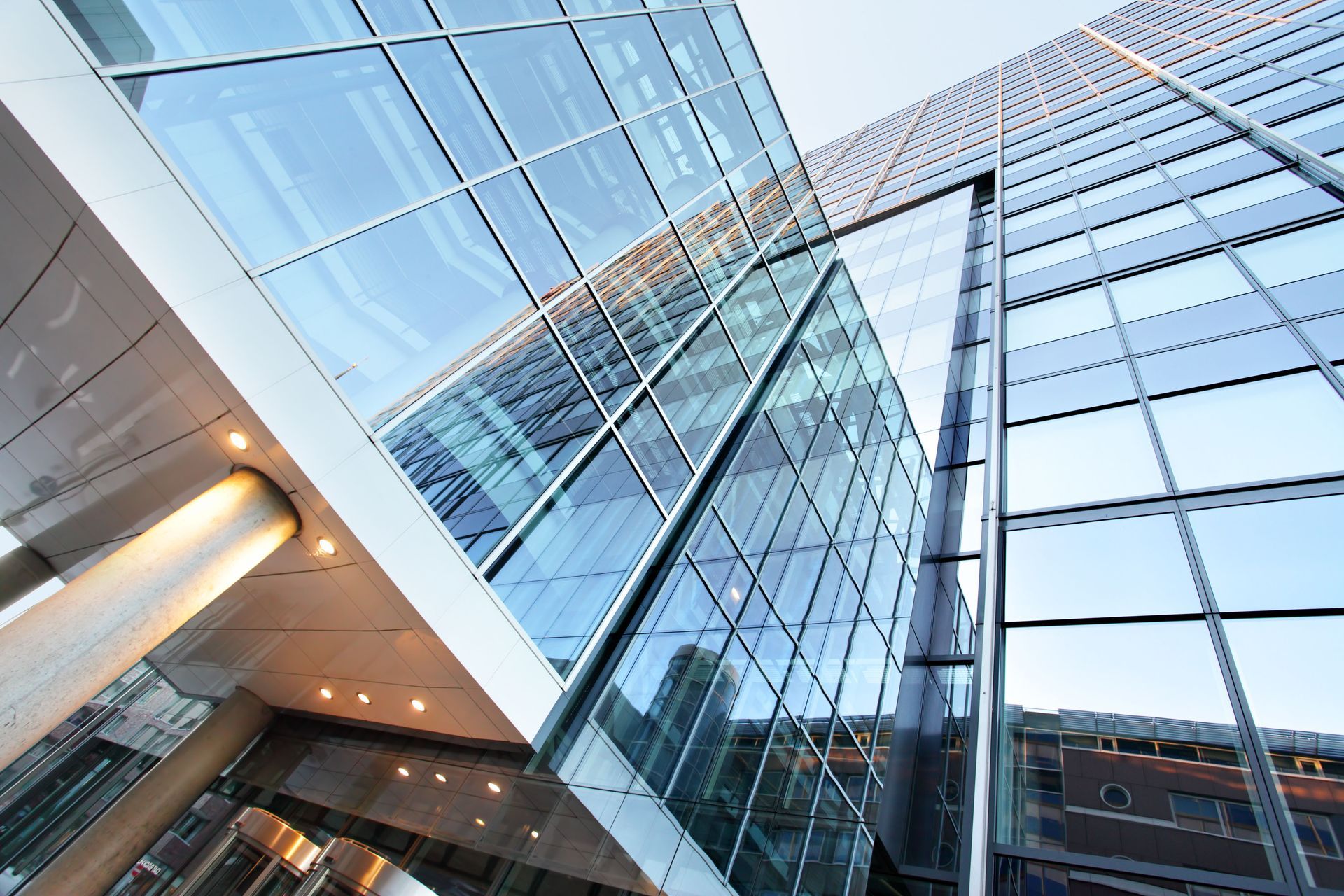
There are several types of facades, each offering different advantages and best-use scenarios dependent on a building's location, purpose, and environmental considerations. The typical curtain wall facade uses lightweight materials such as glass or aluminum and is not structural, offering unobstructed views and aesthetic flexibility. These facades are known for their contemporary appearance, often used in modern skyscraper construction due to their ability to accommodate large glazed areas and enhance natural light entry. However, thermal performance may be compromised if not adequately designed.
In contrast, solid facades provide better thermal performance and noise reduction, as they often integrate materials such as concrete or brick. They are suitable for environments where energy efficiency or privacy is prioritized, though they can limit design flexibility due to their solid nature. Hybrid facades, which combine elements of curtain walls and solid facades, offer a solution by merging aesthetic flexibility with enhanced energy performance. These facades are growing in popularity due to their versatile nature and ability to adapt to varied urban landscapes.
Double-skin facades have emerged as a sustainability-focused solution, featuring two layers of wall separation with an air space between them. This design enhances thermal and acoustic performance, providing potential energy savings that align with the trend towards green buildings. Bio-responsive facades, an innovative and emerging type, incorporate living systems like algae or moss to naturally regulate the environmental conditions within and around the building. These creative solutions signal a progressive move toward integrating nature and architecture, enhancing sustainability goals.
Evaluate Commercial Impact
The facade is pivotal in commercial real estate, as it is often the first aspect potential tenants or customers see, making it a critical factor in first impressions. A well-designed commercial building facade can convey the brand identity of the businesses housed within, acting as a visual marketing tool. It is essential for attracting and retaining tenants, as visually appealing spaces are more desirable and can command higher rental rates. As such, investments in facade design can yield significant financial returns through enhanced property values.
From a functional perspective, the facade impacts the building's operational costs by influencing heating, cooling, and lighting needs. Energy-efficient facades can reduce utility expenses, making properties more attractive to tenants looking for sustainable and cost-effective spaces. Moreover, commercial real estate markets are increasingly competitive, with tenants seeking buildings that offer both style and functionality. A thoughtful facade design can differentiate a property in a crowded market, making it a valuable asset for landlords and developers.
A commercial building facade is a cornerstone of its identity, performance, and value. Thoughtful design integrates aesthetics, functionality, and sustainability to create structures that impress visually while performing efficiently over time. By embracing innovative materials, dynamic architectural elements, and regular maintenance practices, stakeholders can ensure that facades remain both striking and durable. As the industry evolves, staying informed about design trends and technological advancements allows for forward-thinking solutions that enhance a building’s market appeal and operational efficiency. Reach out to DG Crays Construction LLC to learn more about our services today.