April 23, 2026
Building materials do more than shape the appearance of a structure. They also influence durability, performance, maintenance needs, and long-term value. For property owners, architects, and builders, exterior materials must stand up to weather, support design goals, and contribute to the overall function of the building. That is one reason metal has become such an important part of modern construction. It offers a combination of resilience and visual flexibility that works well across many types of residential and commercial projects.
When people think about strength in exterior design, they often focus only on how a building looks from the street. Real strength, however, also comes from how well a material handles impact, moisture, temperature changes, and daily wear over time. This is where architectural metal panels stand out. They offer a reliable solution for projects that need both structural performance and a polished exterior finish. Understanding why these systems are valued across the industry can help property owners make smarter decisions about long-term construction planning.
Supporting Structural Performance
Strength in building materials is not only about resisting cosmetic wear. It is also about helping the structure perform more effectively as a whole. Exterior panel systems contribute to the outer shell of the building, where they help manage exposure to the elements and support the broader design strategy. Strong materials can improve resistance to moisture intrusion, help maintain the integrity of wall assemblies, and create a more secure outer surface for the property. This makes them an appealing option for projects that prioritize long-term performance.
Architectural metal panels are especially valuable in applications where both protection and consistency matter. Their manufactured form allows for uniform installation, clean alignment, and dependable coverage across large surfaces. That precision can help builders create a tighter, more consistent finished product. It also supports the practical demands of construction, where materials must fit together well and perform as intended once the project is complete. In that sense, strength comes not only from the metal itself, but also from how the system contributes to the overall building envelope.
Resisting Harsh Weather Conditions
Exterior materials need to hold up when the weather becomes more demanding. Heavy rain, high winds, prolonged sun exposure, and fluctuating temperatures can all place stress on a building’s outer surfaces. Some materials absorb moisture, fade quickly, or weaken after repeated expansion and contraction. Metal is often chosen because it performs well under these kinds of pressures. Its durability makes it a practical choice for owners who want a material that can continue to function well even when the climate is less forgiving.
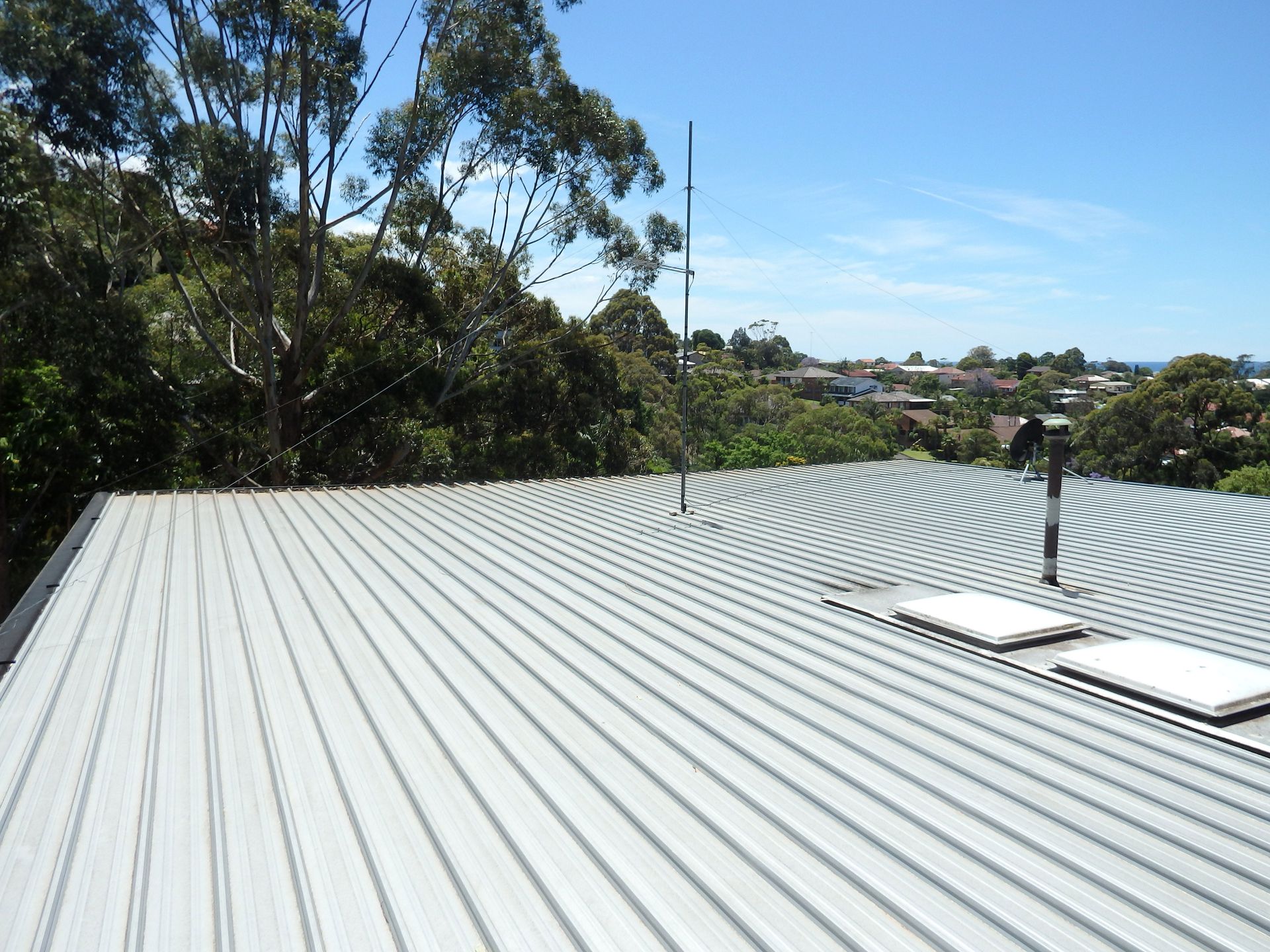
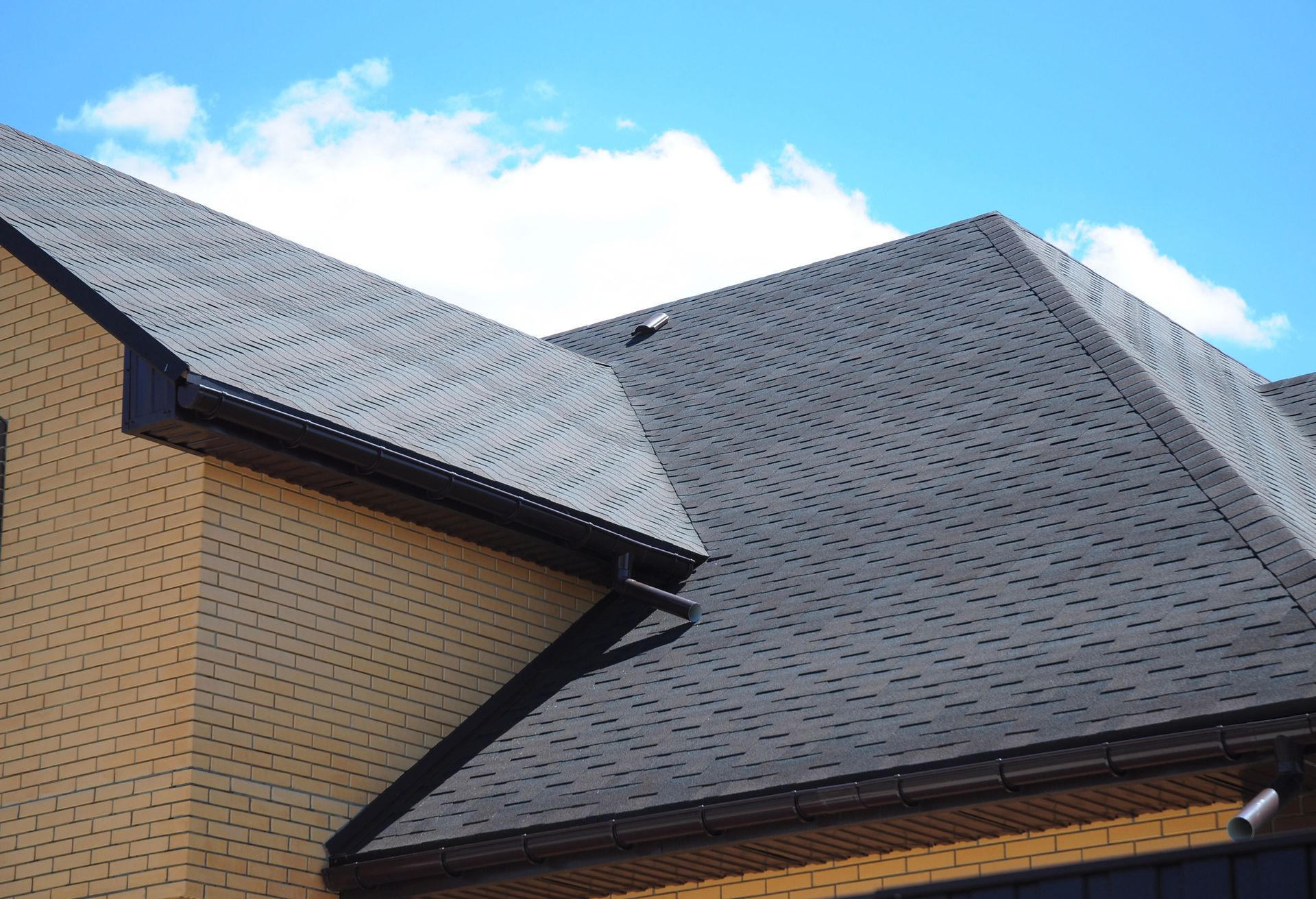
This weather resistance adds to the appeal of architectural metal panels in both residential and commercial construction. According to This Old House, metal roofing ranks as the second most commonly used option for both residential and commercial roofs, while steep-slope asphalt shingles remain the most widely used material. That level of popularity reflects broad confidence in metal as a dependable building material. While wall panels and roof systems serve different purposes, the same reputation for resilience helps explain why metal continues to be used in so many exterior applications.
Enhancing Modern Exterior Design
Strength and style are often treated like separate priorities, but modern construction usually calls for both. Property owners want materials that perform well without limiting design choices, and architects want systems that help bring a visual concept to life. Metal panels can support those goals because they are available in a wide range of profiles, finishes, colors, and layouts. This makes it possible to create clean lines, bold facades, subtle accents, or contemporary exterior statements without giving up practical benefits.
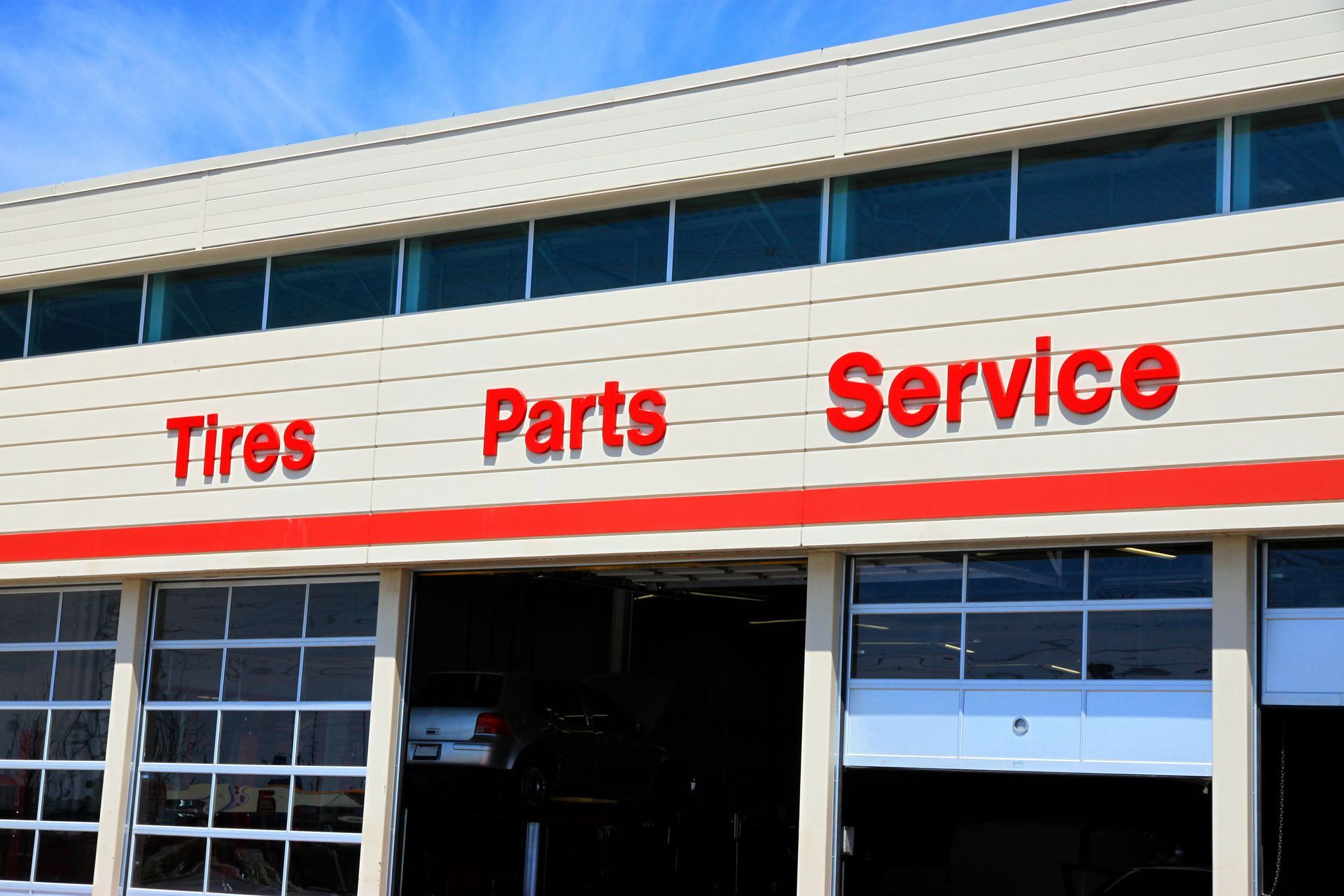
Architectural metal panels are often selected because they create a polished and intentional appearance. They can be used to complement other materials such as stone, glass, brick, or wood while still giving the structure a distinct identity. This flexibility makes them well-suited for offices, retail buildings, multifamily developments, and custom homes. A strong material that also supports design creativity gives builders and owners more options, which is a major reason metal panel systems remain relevant in both new construction and renovation projects.
Reducing Ongoing Maintenance Demands
Another important aspect of strength is how well a material holds up without requiring constant attention. Some exterior surfaces need frequent repainting, patching, sealing, or replacement in order to maintain their appearance and performance. Those recurring maintenance demands can add time, labor, and expense over the life of the property. Materials that remain stable and visually consistent with less upkeep can make ownership more manageable, especially for commercial properties or larger buildings with more exterior surface area.
Architectural metal panels can support that goal by offering a durable exterior option that is designed to hold up well over time. While no material is completely maintenance-free, metal systems are often appreciated for their ability to resist many of the issues that create recurring repair cycles in other cladding materials. That can make building upkeep more predictable and less disruptive. For owners who are thinking beyond the initial installation cost, reduced maintenance needs can be a major part of the overall return on investment.
Increasing Overall Property Value
Strong building materials can influence more than daily performance. They can also affect how a property is viewed in terms of quality, longevity, and market appeal. Buyers, tenants, and investors often pay attention to exterior finishes because they contribute to first impressions and can hint at the level of care put into the structure. A building that looks durable, modern, and well-finished may have an advantage over one that appears dated or high-maintenance. Exterior materials play a major role in creating that impression.
That is another reason architectural metal panels can be a smart investment. Their combination of durability, visual appeal, and long-term performance helps support the perceived value of a property. Whether the goal is to improve a commercial building, develop a new project, or upgrade an existing exterior, strong materials can contribute to both function and presentation. When a building performs well and looks polished at the same time, it often holds stronger appeal over the long term.
Choosing Professional Installation
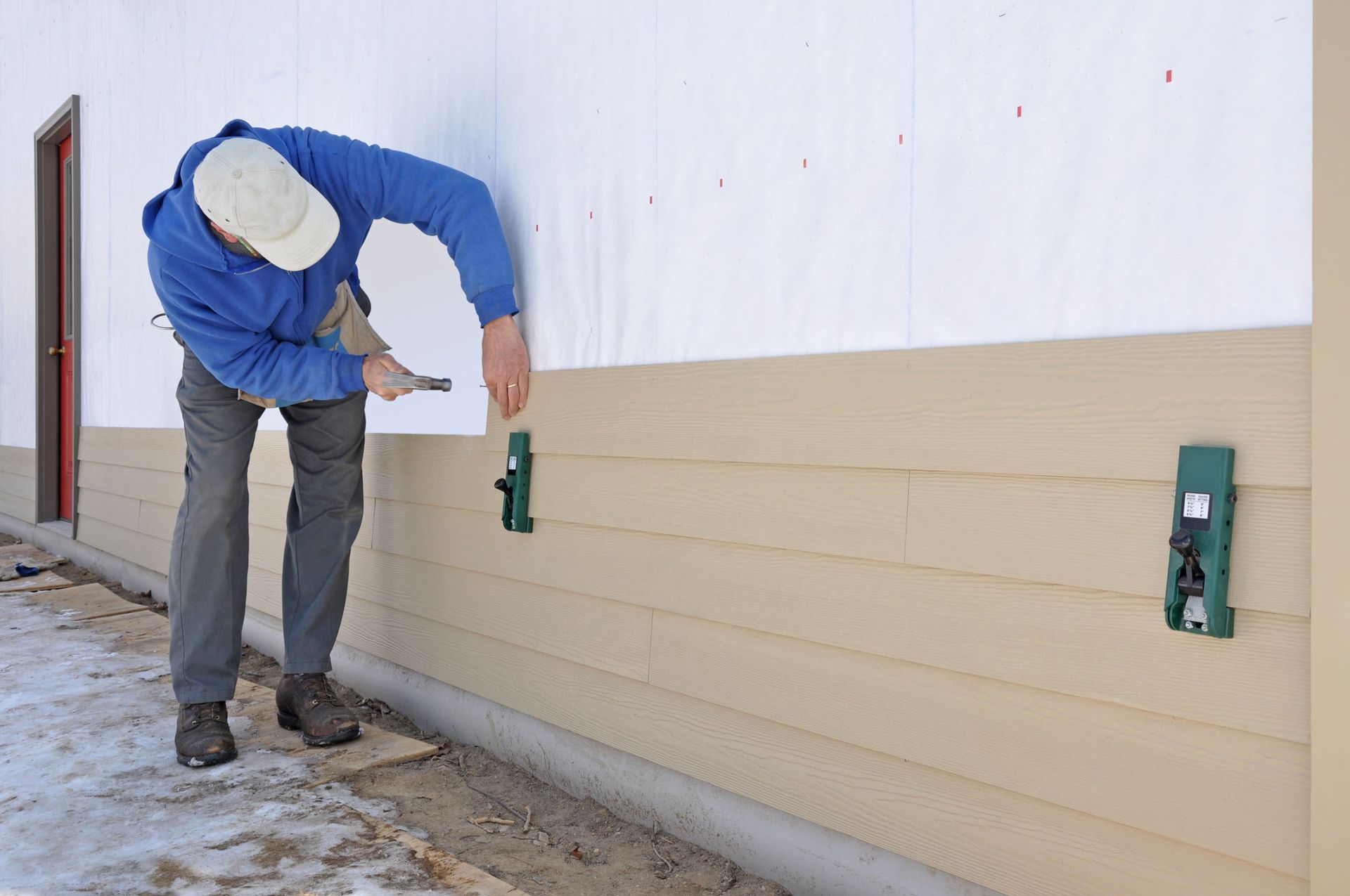
Even the strongest materials depend on proper planning and installation to perform the way they should. Exterior systems must be measured accurately, aligned correctly, and installed with attention to detailing. Gaps, poor fastening, or weak integration with surrounding materials can reduce performance and affect the finished appearance. That is why professional workmanship matters so much with metal panel projects. The material may be strong, but the results still depend on how well the system is designed and applied.
Working with an experienced contractor can help property owners get the full benefit of architectural metal panels. Proper installation supports durability, weather resistance, and visual consistency, all of which influence long-term results. It also helps the project move forward with a clearer understanding of how the materials will work with the rest of the structure. When a strong product is paired with skilled construction, the finished exterior is better positioned to deliver both performance and style for years to come.
The strength of a building material should be measured by more than appearance alone. It should reflect how well that material stands up to weather, supports the structure, reduces maintenance demands, and contributes to long-term value. Metal panel systems bring these qualities together in a way that works for many different project types and design goals. Their durability and visual versatility make them a practical option for owners who want an exterior that performs well and looks polished. If you are considering exterior improvements or planning a new build, contact DG Crays Construction LLC to learn more about the benefits of architectural metal panels.